
Gender Bias
Gender bias results when one gender is treated less favourably than the other, often referred to as sexism and it has a range of consequences including, scientifically misleading research and validating discrimination.
There are four main types of gender bias:
Alpha bias – this occurs when the differences between men and women are exaggerated. Therefore, stereotypically male and female characteristics may be emphasised. For example, the evolutionary approach suggests that the evolutionary processes in the development of the human species explain why men tend to be dominant, why women have a more parental investment in their offspring, and why men are more likely to commit adultery. But times have changed.
Beta bias – this occurs when the differences between men and women are minimised. This often happens when findings obtained from men are applied to women without consideration that women are different. For example Milgram’s study which was carried out on 40 men, assumed that all people in the same situation would succumb to high rates of destructive obedience.
Androcentrism – taking male behaviour as normal and regarding female
behaviour as inferior or abnormal. Androcentric samples are when the participants within a study are biased towards men. Gynocentrism – taking female behaviour as normal and regarding male behaviour as inferior or abnormal. Gynocentric samples are when the participants within the study are biased towards women.
Examples of Gender Bias research:

Evaluation Gender Bias
- Point: One of the main limitations of gender bias is that it is socially sensitive Evidence: For example, Darwin’s established theory of sexual selection suggests that women are selective (choosy) in terms of mate selection and men are less selective and more focused on focusing on reproducing with as many females as possible. Explain: This is socially sensitive because it reinforces harmful stereotypes towards men and women. For example, if creates a social construct that women are not predetermined to want multiple sexual partners, and therefore any indicators of promiscuous behaviour may be judged in a negative light. Consequence: Consequently, these perceptions could lead mistreatment towards women who do not follow this stereotype. Challenge: Furthermore, this highlights the importance of continually challenging earlier gender research, and reducing gender bias to ensure that a valid picture of women is portrayed in contemporary studies.
- Point: Contemporary psychologists have looked for ways to reduce gender bias, proposing a number of solutions. Evidence: For example, some psychologists attempt to develop theories that emphasise the importance or value of women. Cornwell et al. (2013) noted that females are better at emphasising both the value and the positive attributes of women. Explain: This reduces the negative impact of previous research that has been biased, and helps to reduce or challenge gender stereotypes which is important in reducing gender bias. Consequence: Consequently, reduced gender bias will lead to a fairer treatment towards women, and a more accurate reflection of female behaviour. Challenge: Another way to reduce gender bias is to take a feminist approach which attempts to restore the imbalance in both psychological theories and research. Research by Eagly (1978) claims that females are less effective leaders than males. However, the purpose of Eagly’s claim is to help researchers develop training programmes aimed at reducing the lack of female leaders in the real-world. This shows the benefit in understanding gender bias.
- Point: Another limitation of gender bias is that it can lead to inaccuracies in diagnosing mental health issues. Evidence: Loring & Powell (1988) selected 290 male and female psychiatrists to read cases studies of patients’ behaviour and make a judgement on these people using standardised diagnostic criteria (e.g. DSM). When the patients were described as ‘male’ or no info about gender was given, 56% of psychiatrists have a schizophrenia diagnosis. When patients were described as ‘female’, only 20% were given a diagnosis of schizophrenia. Explain: This shows how gender bias can impact the accuracy of diagnosing schizophrenia because it can lead to females being under-diagnosed and males being over-diagnosed. Consequence: Consequently, this could have implications in accessing treatment. If women are underdiagnosed, they may not receive treatment, or receive treatment that is reflective of a mental health issue that is more stereotyped to females. Challenge: However, research by Loring & Powell can be beneficial in highlighting gender bias as an issue. This is because psychiatrists can be trained to avoid this type of bias, or diagnostic manuals can be updated to reflect the difference in symptoms between males and females in order to achieve greater accuracy in diagnosis.
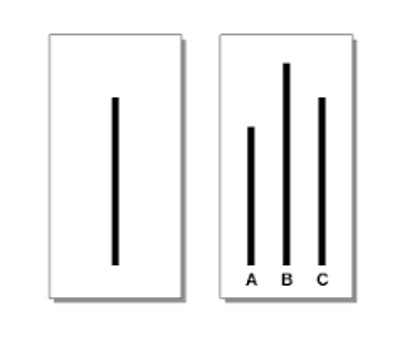
- Point: A prominent gender bias issue within psychology is beta bias. Evidence: Asch and Milgram both carried out their research on male only samples. Asch found that people were more likely to conform and give an incorrect answer to a line matching task when the group of confederates was 3 or more, unanimous and when the task was more difficult. Milgram found that 65% of men gave a 450-voltage shock when instructed to by an experimenter. Explain: This is an example of beta bias because it assumes that theories of conformity and obedience apply to women, when the sample does not include females. Consequence: Consequently, this androcentric research reinforces the belief that men’s behaviour represents the norm and therefore females may be judged as abnormal when they don’t behave in the way that men have in the research. Challenge: However, research in psychology has also shown beta bias with gynocentric research. For example, Jacob’s (1887) Digit Span study on short term memory only represented female participants but generalised the results to all people, including men. This is an example of beta bias because it assumes that memory is the same for everyone and the procedure of the study reflects this assumption.
- Point: In certain areas of psychology, gender bias may not be as prevalent. Evidence: Studies examining the influence of the menstrual cycle on various cognitive and emotional processes often include only female participants, acknowledging the potential impact of hormonal fluctuations on this gender specific behavior. Explain: This evidence suggests that gender bias is not always a significant issue in psychological research, as researchers recognize the importance of studying one sex to understand the gender specific human behavior comprehensively. As a consequence, some degree of gender bias can be beneficial in psychology as it allows researchers to explore gender-specific phenomena, leading to a deeper understanding of individual differences and providing tailored interventions. Challenge: However, it’s crucial to acknowledge that gender bias still exists in many areas of psychology, particularly in the historical underrepresentation of women in research and the perpetuation of gender stereotypes. Therefore, while progress has been made in certain domains, continued efforts are necessary to address and mitigate gender bias in psychology comprehensively.
- Point: Addressing gender bias in psychology raises socially sensitive issues, particularly concerning the terms alpha and beta bias, as well as androcentrism and gynocentrism. Evidence: These concepts, rooted in traditional gender norms and binary understandings of gender, fail to encompass the diverse experiences of individuals within the LGBTQ+ community. Explain: For instance, alpha bias exaggerates differences between genders, often reinforcing stereotypes and marginalizing non-binary or gender-nonconforming individuals. Conversely, beta bias minimizes or ignores gender differences, overlooking the unique challenges faced by transgender and non-binary individuals. Moreover, androcentrism and gynocentrism focus on male or female perspectives respectively, neglecting the experiences of those who do not identify within the binary framework. Consequence: This narrow conceptualization excludes a significant portion of the population, hindering our understanding of gender diversity and perpetuating societal inequalities. Thus, acknowledging and addressing these issues is crucial in psychology to ensure inclusivity and validity in research and practice.
Culture Bias
Culture can be described as all the knowledge and values shared by a society. Cultures may differ from one another in many ways, so that the findings of psychological research conducted in one culture may not apply directly to another. In order to fulfil its aspiration of explaining human thinking and behaviour, psychology must address the huge diversity in people around the globe. Psychologists should always attempt to account for the ways in which culture affects thinking and behaviour.
Ethnocentrism:
Ethnocentrism occurs when a researcher assumes that their own culturally specific
practices or ideas are ‘natural’ or ‘right’. The individual uses their own ethnic group to
evaluate and make judgments about other individuals from other ethnic groups.
Being ethnocentric can mean that when other cultures are observed to differ from the researcher’s own, they may be regarded in a negative light.
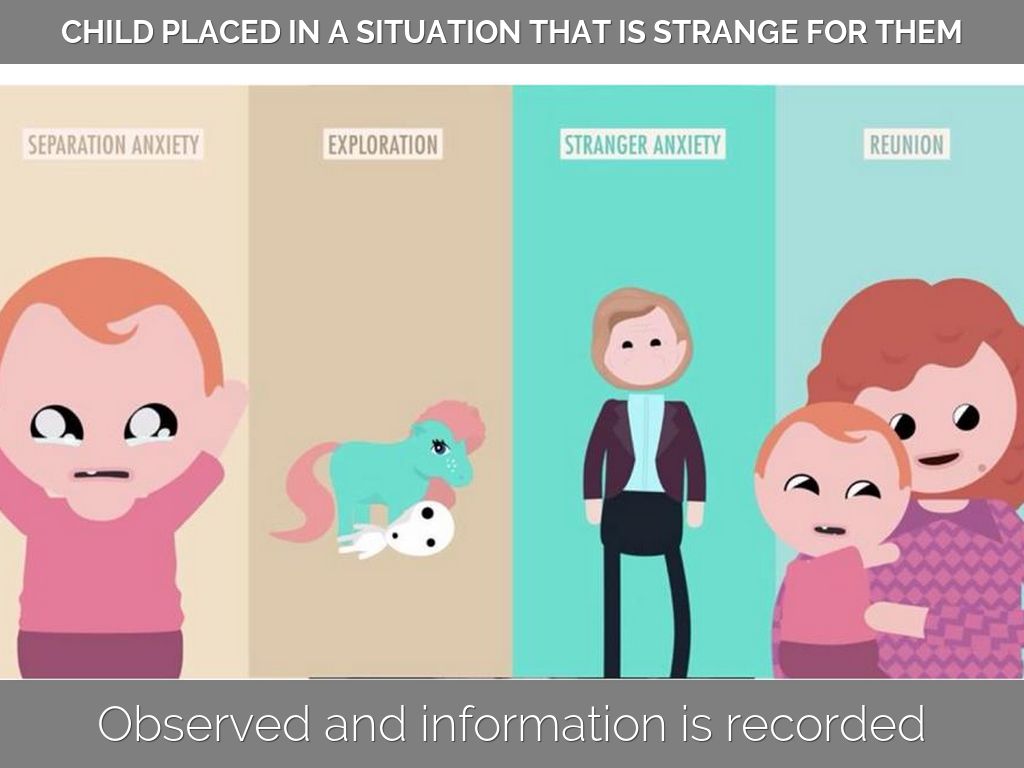
Ainsworth’s Strange Situation for Attachment:
The strange situation procedure is not appropriate for assessing children from non-US
or UK populations as it is based on Western childrearing ideals (i.e. ethnocentric).
The original study only used American, middle-class, white, home-reared infants and
mothers therefore the generalisability of the findings could be questioned as well as
whether this procedure would be valid for other cultures too.
The antidote to ethnocentrism is cultural relativism, which is an approach to treating
each culture as unique and worthy of study.
Cultural Relativism:
Cultural relativism is the principle of regarding the beliefs, values, and practices of a
culture from the viewpoint of that culture itself. The principle is sometimes practiced to avoid cultural bias in research, as well as to avoid judging another culture by the standards of one’s own culture. For this reason, cultural relativism has been considered an attempt to avoid ethnocentrism.
For example, Milgram replicated his research on a variety of different cultures and as a consequence, disproved his original theory that irrespective of culture, everyone in the same situation would destructively obey.

Universality: When a theory can apply to all people, irrespective of gender and culture.
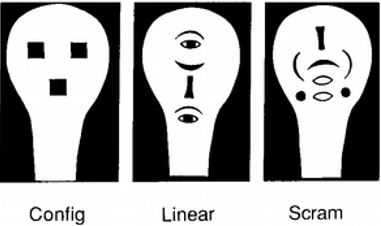
Fantz (1961) found that babies from a variety of cultures would spend most of their time looking at images that resembled faces.
Yerkes Study
Background:
- Yerkes was a psychologist at Harvard University. At this time (early 1900s) psychology was perceived as a ‘soft’ science, so Yerkes wanted to improve its status by demonstrating that it could be as objective and quantifiable as the other scientific disciplines. Yerkes also believed that intelligence was inherited and therefore could not be changed (due to nature). With the outbreak of WW1, the now Colonel Yerkes, developed the idea that it might be possible to use recruits for the American army as a source of sufficient data to show that intelligence testing was scientific. Colonel Yerkes managed to persuade the American government to go along with his idea.
- This Core Study aimed to examine the early history of intelligence testing as conducted by Yerkes on army recruits in the USA during WW1. Gould aimed to identify the following issues in psychology
Sample: 1.75 million army recruits in the USA during WW1. The recruits included White Americans, Black Americans, and European immigrants.
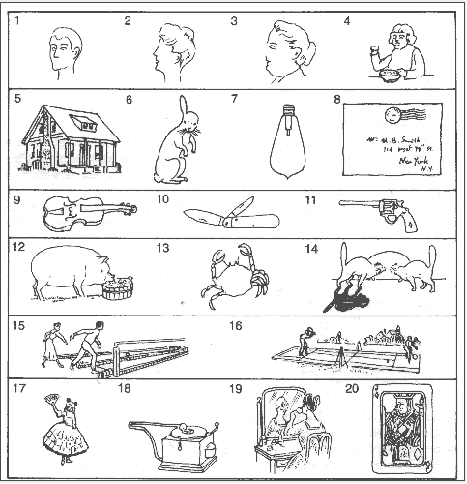
Procedure: From May to July 1917, Yerkes, together with a number of colleagues who shared his views on the hereditary nature of intelligence, wrote the army IQ tests. Below are some examples of the tests:
THE ARMY ALPHA TEST
• This was designed for literate recruits. It consisted of eight parts. It included items with which we are totally familiar as part of intelligence testing: analogies, filling in the next number in a sequence etc. The following examples give some idea of the type of questions asked:
- Washington is to Adams as first is to …….
- Crisco is a: patient medicine, disinfectant, toothpaste, food product?
- The number of kaffir’s legs is 2, 4, 6, 8?
- Christy Matthewson is famous as a: writer, artist, baseball player, comedian
THE ARMY BETA TEST
- The instructions were written (in English), in three of the seven parts the answers had to be given in writing, yet this was a test for illiterates who may never have held a pencil beforehand!
- This was a test designed for people who were illiterate or failed the Army Alpha Test. It had seven parts and consisted of picture completion tasks.
Yerkes Findings:
- The data was analysed by Yerkes’ lieutenant, who manipulated the results. Selected data was converted to a common standard to look for racial and national averages.
- The data also showed that European immigrants could be graded by their country of origin with those with darker skin in Southern Europe being less intelligent than the fairer/lighter skinned people of Western and Northern Europe.
- White Americans had a mental age of a 13 year old. This indicated that the country was ‘a nation of morons’ and due to this, Yerkes was quoted to give the following reason for this was because ‘the poor, Negroes and feeble-minded had been interbreeding and lowering the overall intelligence of the population’
- Members of the black community were found to have an average mental age of 10.41.
Subsequent consequences:
- THE IMMIGRATION RESTRICTION ACT was passed in 1924 by the US Congress and was shaped by Yerkes’ findings. People from southern and eastern Europe and from the Alpine and Mediterranean nations who had scored very poorly on the army tests were no longer welcome in the USA. The way this was controlled was by looking at data from a census of immigrants, which had been conducted in 1890 when immigration from southern and eastern Europe was very low. It was decided that the quota of immigrants allowed into America would be 2% of each recorded nation taken from the 1890 figures. This obviously meant that the numbers of ‘the unwanted’ would be very low.
- These immigration restrictions were to have horrendous consequences as the immigration from southern and eastern Europe was all but ceased. The persecution of the Jews which started well before the actual beginning of the Second World War, meant that many Jews tried to escape from their homeland, but there was ‘no admittance’ to America!
As you can see this study has many connections to terminology for culture bias. This study also highlights socially sensitive issues, so can be used in this topic too.
Gould (1982) Reviewed the research by Yerkes and provided an overwhelming amount of critique to highlight that the study was completely invalid. Below are some examples of his arguments:
- The instructions for the Beta test were written (in English), in three of the seven parts the answers had to be given in writing, yet this was a test was meant to be made for illiterates who may never have held a pencil beforehand!
- All of the tests were culturally specific and would have been extremely difficult to complete if participants had no knowledge of American culture.
- There were huge inconsistencies in the administration of the tests. One example of this was a discriminatory approach where black men, who failed the Alpha Test were not allowed to do the Beta Test.
- The evidence does not provide any support for intelligence being genetic.
Evaluation Cultural Bias:
- Point: In the study of schizophrenia, cultural bias is evident in the interpretation and diagnosis of mental disorder symptoms. Evidence: For example, the use of deviation from social norms and deviation from ideal mental health when defining abnormality. Symptoms that may be considered pathological in one culture may be perceived as normal variations of experience in another. Explain: For example, auditory hallucinations may be interpreted as spiritual experiences in some cultures, whereas in Western contexts, they are often pathologized as symptoms of schizophrenia. Consequence: This cultural bias can lead to disparities in diagnosis rates and treatment approaches, potentially exacerbating stigma and discrimination against individuals with schizophrenia from certain cultural backgrounds. Challenge: However, by trying to understand the cultural bias in society, it can help to identify areas which are impacted by cultural bias, and therefore interventions can be put in place to overcome the problems that cultural bias is creating.
- Point: By being aware of cultural bias, we can develop a superior understanding of the individual differences between cultures. Evidence: Whaley (2004) suggests that cultural bias is the main reason for the different rates of schizophrenia found when diagnosing black and white Americans. Black Americans are diagnosed with schizophrenia more than white Americans as doctors do not judge their culture norms accurately and misinterpret symptoms (e.g. auditory hallucinations) due to their cultural differences with the patient. Explain: This is culturally biased because it shows how cultural factors shape the expression and interpretation of mental health symptoms. Consequence: By recognizing these cultural differences, psychologists can develop more culturally sensitive assessments and interventions, leading to a deeper understanding of individual variations within different cultural contexts. Challenge: Furthermore, awareness of cultural bias can promote cultural relativism, emphasizing the importance of understanding behaviour and mental processes within their cultural context rather than imposing Western norms and values. This approach fosters respect for cultural diversity and helps to mitigate the negative impact of cultural bias in psychology.
- Point: Recognizing individualist and collectivist cultures has its benefits, but it is also too simplistic to make this distinction between cultures. Evidence: For example, research on conformity conducted by Asch (1951) primarily focused on individualistic Western societies, leading to the assumption that conformity is lower in individualistic cultures compared to collectivist cultures. However, subsequent studies, such as Bond and Smith (1996), have challenged this notion by demonstrating that conformity rates vary within cultures and are influenced by situational factors rather than solely cultural values. Explain: This highlights the complexity of human behaviour and the limitations of generalizing cultural differences based on broad categorizations. Consequence: Being too simplistic in distinguishing between individualist and collectivist cultures can lead to oversimplifications and misunderstandings in psychology and the wider world as it overlooks the diversity and nuances within cultures. Challenge: Furthermore, researching cultures is this way may perpetuate stereotypes and can reinforce cultural biases and impede efforts towards cultural competence and inclusivity.
- Point: Alpha bias can lead to serious misconceptions of the differences between cultures. Evidence: For instance, in the study of intelligence, early IQ tests were developed predominantly based on Western cultural norms and values, leading to the assumption that intelligence is universal and can be measured and compared across cultures equally. Explain: However, this ignores the cultural variability in cognitive styles, values, and educational experiences. For example, the work of Sternberg (1985) highlights the limitations of traditional IQ tests in assessing intelligence in non-Western cultures, where different skills and abilities may be valued and prioritized. Consequence: This can perpetuate harmful stereotypes and encourage racism by promoting the false belief in the superiority of Western culture and intelligence, while marginalizing and devaluing the contributions and abilities of individuals from non-Western cultures. Such misconceptions can have detrimental effects on individuals’ self-esteem, opportunities, and societal perceptions, reinforcing systemic inequalities and discrimination.
- Point: One way to deal with cultural bias is to recognise it when it occurs. Evidence: Smith and Bond found, in their 1998 survey of European textbooks on social psychology; that 66% of the studies were American, 32% European, and only 2% from the rest of the world. Explain: This suggests that much psychological research is severely unrepresentative and can be greatly improved by simply selecting different cultural groups to study. Consequence: Consequently, by highlighting the cultural bias within research, adaptations can be made in order to address the problems that cultural bias creates. Challenge: Furthermore, this more open-minded stance has led to positive changes in psychology. For example, international psychology conferences increase the exchange of ideas between psychologists which has helped to reduce ethnocentrism in psychology and enabled a more nuanced understanding and appreciation of cultural relativism.
- Point: One of the limitations of cultural bias is that it can lead to socially sensitive implications Evidence: For example, Yerkes carried out IQ tests on over 2 million US army recruits for WW1. The IQ test was culturally biased as it asked Americanized questions such as ‘who is the current American president?’ Results showed that African-Americans had the lower IQ scores than White Americans. The conclusions drawn from these results were that those from African-American cultures had inferior genetics that were the cause of low intelligence. Explain: This is socially sensitive because the culture bias in this research can have significant real-world effects such as amplifying and validating damaging stereotypes. Consequence: As a consequence, this could hinder the opportunities for certain cultures, for example, roles that are more academic or leadership focused may not be offered to certain cultures due to the findings of the research.
- Point: There are different types of cultural bias within psychology. One type that can create issues is beta bias. This is when real cultural differences are ignored or minimised, and all people are assumed to be the same, resulting in universal research designs and conclusions. Evidence: For example, The Strange Situation was developed by an American psychologist called Ainsworth to assess attachment types of American children. Explain: This is an example of cultural beta bias because it assumes that the Strange Situation has the same meaning for the infants from other cultures, as it does for American children. Consequence: The consequence of this cultural beta bias is that it may provide an in accurate measure of attachment in other cultures, as it fails to consider cultural differences. Challenge: However, research by Takahashi, was able to highlight the need to be more culturally relative. Takahashi is a Japanese psychologist, and suggested that that strange situation needed to be altered by removing the ‘leaving the child alone’ stage. This is because in Japan, separating a child from their mother is highly unusual.
- Point: Cultural variations in attachment styles challenge the universality of attachment theory. Evidence: Van Ijzendoorn and Kroonenberg’s (1988) research revealed significant cultural differences in attachment patterns, with collectivist cultures like Japan exhibiting higher rates of insecure attachment compared to individualistic cultures like the United States. Explain: This challenges the assumption that attachment behaviours are uniform across all cultures and suggests that cultural context plays a crucial role in shaping attachment relationships. Consequence: Such findings have significant implications for psychology and the wider world. In psychology, it underscores the importance of considering cultural diversity in the development and application of theories, such as attachment theory, to ensure their relevance and validity across different cultural contexts. Challenge: Additionally, by acknowledging and addressing cultural bias in psychological research and practice, we can foster greater inclusivity, understanding, and respect for diverse cultural perspectives in the wider world.
 CGS Psychology Blog: Mrs Harris