
Gender Bias
Gender bias refers to the tendency for psychological theories, research, or practices to treat one gender differently from another or to misrepresent the experiences and behaviour of a particular gender.
There are four main types of gender bias:
Alpha bias – this occurs when the differences between men and women are exaggerated. Therefore, stereotypically male and female characteristics may be emphasised. For example, the evolutionary approach suggests that the evolutionary processes in the development of the human species explain why men tend to be dominant, why women have a more parental investment in their offspring, and why men are more likely to commit adultery. But times have changed.
Beta bias – this occurs when the differences between men and women are minimised. This often happens when findings obtained from men are applied to women without consideration that women are different. For example Milgram’s study which was carried out on 40 men, assumed that all people in the same situation would succumb to high rates of destructive obedience.
Androcentrism – taking male behaviour as the norm and viewing female behaviour as abnormal, inferior, or less important. This can occur when psychological theories and research are based primarily on male experiences. Androcentric samples are samples that contain predominantly male participants, making it difficult to generalise findings to females.
Gynocentrism – taking female behaviour as the norm and viewing male behaviour as abnormal, inferior, or less important. Gynocentric samples are samples that contain predominantly female participants, making it difficult to generalise findings to males.
Examples of Gender Bias research:
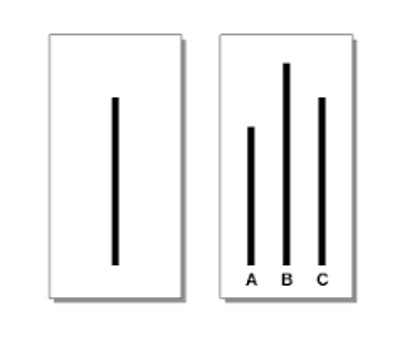
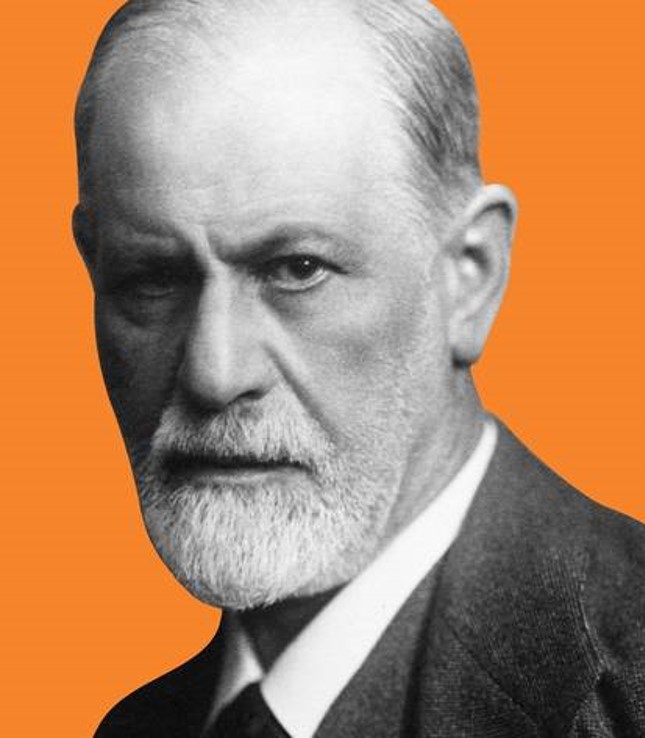

Evaluation Gender Bias
- Social sensitivity: Gender-biased theories may reinforce stereotypes and influence how men and women are treated in society. For example – Darwin’s sexual selection theory & Freud’s ideas about women. Research findings may affect opportunities, social expectations and perceptions of men and women because gender biased explanations may legitimise inequality by presenting stereotypes as scientific facts.
- Androcentrism Creates a Distorted View of Behaviour: Much psychological research treats male. For example, research that uses Male-only samples. Women’s experiences may be ignored or judged against a male standard. Therefore, Psychological theories may lack validity because they fail to represent the experiences of both sexes equally.
- Beta Bias Leads to Overgeneralisation: Findings from one gender are often generalised to the other. For example, Asch’s conformity studies and Milgram’s obedience research. Researchers may assume behaviour is universal when genuine sex differences exist. This can reduce the validity of psychological explanations because important gender differences are overlooked.
- Gender Bias Can Affect Mental Health Diagnosis: Gender stereotypes may influence clinical judgements. For example, Loring and Powell (1988). Men and women may receive different diagnoses despite displaying similar symptoms. Gender bias can have serious practical consequences by affecting access to treatment and support.
- Awareness of Gender Bias Has Improved Psychology: Psychologists are now more aware of gender bias than in the past. For example, feminist psychology exists to challenge male centred theories. Research is becoming more representative and less androcentric. Increased awareness of gender bias has improved the validity and inclusivity of psychological research.
- Some Gender Differences Are Genuine: Not all differences between men and women are stereotypes. For example, Menstruation research and Hormonal influences. Ignoring genuine differences could create beta bias, but recognising genuine sex differences can improve the accuracy of psychological explanations.
- Gender bias distinctions may be too simplistic: Traditional explanations of gender bias often assume that gender is binary (male or female), which may not reflect the diversity of gender identities in modern society. These concepts focus on differences and biases between males and females, meaning the experiences of transgender, non-binary and gender-diverse individuals may be overlooked. Traditional discussions of gender bias may reduce the validity of psychological theories because they fail to fully represent the diversity of gender identities and experiences.
Culture Bias
Culture can be described as all the knowledge and values shared by a society. Cultures may differ from one another in many ways, so that the findings of psychological research conducted in one culture may not apply directly to another. In order to fulfil its aspiration of explaining human thinking and behaviour, psychology must address the huge diversity in people around the globe. Psychologists should always attempt to account for the ways in which culture affects thinking and behaviour.
Cultural bias occurs when psychological research, theories, or practices are influenced by the culture in which they were developed, leading to distorted or unfair conclusions about people from other cultures.
Ethnocentrism:
Ethnocentrism occurs when a researcher assumes that their own culturally specific practices or ideas are ‘natural’ or ‘right’. The individual uses their own ethnic group to evaluate and make judgments about other individuals from other ethnic groups.
Being ethnocentric can mean that when other cultures are observed to differ from the researcher’s own, they may be regarded in a negative light.
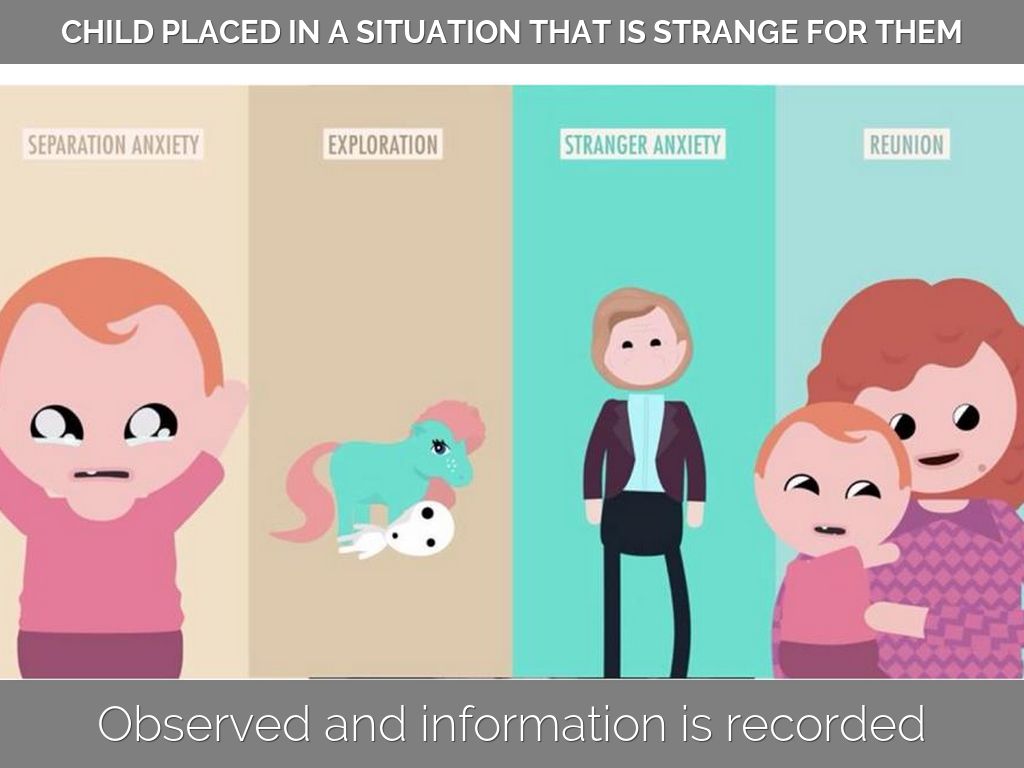
Ainsworth’s Strange Situation for Attachment:
The strange situation procedure is not appropriate for assessing children from non-US or UK populations as it is based on Western childrearing ideals (i.e. ethnocentric). The original study only used American, middle class, white, home-reared infants and mothers therefore the generalisability of the findings could be questioned as well as whether this procedure would be valid for other cultures too.
An emic approach studies behaviour from within a particular culture, seeking to understand behaviour according to that culture’s own values, beliefs, and norms. This helps reduce cultural bias, promotes cultural relativism and recognises that behaviours may be culturally specific rather than universal.
An imposed etic approach occurs when a researcher assumes that a theory, test, or behaviour developed in one culture can be applied directly to another culture. This is a major source of ethnocentrism and can produce invalid conclusions about other cultures.
The antidote to ethnocentrism is cultural relativism, which is an approach to treating
each culture as unique and worthy of study.
Cultural Relativism:
This is the view that behaviour can only be understood in the context of the culture in which it occurs. The principle is sometimes practiced to avoid cultural bias in research, as well as to avoid judging another culture by the standards of one’s own culture. For this reason, cultural relativism has been considered an attempt to avoid ethnocentrism.
For example, Milgram replicated his research on a variety of different cultures and as a consequence, disproved his original theory that irrespective of culture, everyone in the same situation would destructively obey.

Universality: is the belief that any underlying characteristic of human beings is capable of being applied to all people, regardless of culture. In psychology, a theory is said to be universal if it claims that its findings apply equally to everyone. The problem is that psychologists may assume behaviour is universal when it has only been studied in one culture.
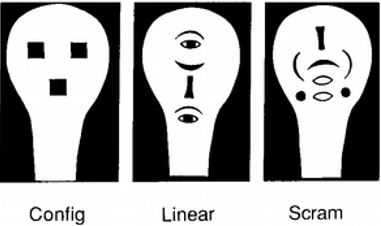
Fantz (1961) found that babies from a variety of cultures would spend most of their time looking at images that resembled faces.
Yerkes Study
Background:
- Yerkes was a psychologist at Harvard University. At this time (early 1900s) psychology was perceived as a ‘soft’ science, so Yerkes wanted to improve its status by demonstrating that it could be as objective and quantifiable as the other scientific disciplines. Yerkes also believed that intelligence was inherited and therefore could not be changed (due to nature). With the outbreak of WW1, the now Colonel Yerkes, developed the idea that it might be possible to use recruits for the American army as a source of sufficient data to show that intelligence testing was scientific. Colonel Yerkes managed to persuade the American government to go along with his idea.
- This Core Study aimed to examine the early history of intelligence testing as conducted by Yerkes on army recruits in the USA during WW1. Gould aimed to identify the following issues in psychology
Sample: 1.75 million army recruits in the USA during WW1. The recruits included White Americans, Black Americans, and European immigrants.
Procedure: From May to July 1917, Yerkes, together with a number of colleagues who shared his views on the hereditary nature of intelligence, wrote the army IQ tests. Below are some examples of the tests:
THE ARMY ALPHA TEST
• This was designed for literate recruits. It consisted of eight parts. It included items with which we are totally familiar as part of intelligence testing: analogies, filling in the next number in a sequence etc. The following examples give some idea of the type of questions asked:
- Washington is to Adams as first is to …….
- Crisco is a: patient medicine, disinfectant, toothpaste, food product?
- The number of kaffir’s legs is 2, 4, 6, 8?
- Christy Matthewson is famous as a: writer, artist, baseball player, comedian
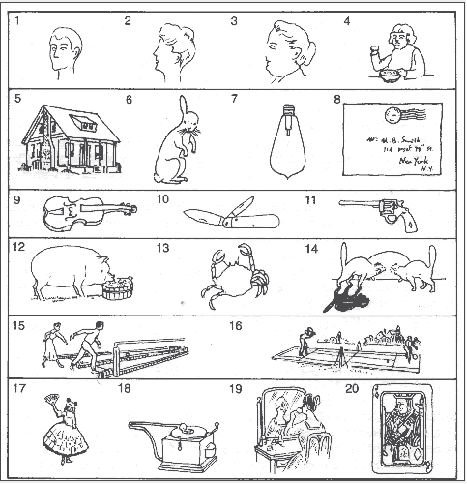
THE ARMY BETA TEST
- The instructions were written (in English), in three of the seven parts the answers had to be given in writing, yet this was a test for illiterates who may never have held a pencil beforehand!
- This was a test designed for people who were illiterate or failed the Army Alpha Test. It had seven parts and consisted of picture completion tasks.
Yerkes Findings:
- The data was analysed by Yerkes’ lieutenant, who manipulated the results. Selected data was converted to a common standard to look for racial and national averages.
- The data also showed that European immigrants could be graded by their country of origin with those with darker skin in Southern Europe being less intelligent than the fairer/lighter skinned people of Western and Northern Europe.
- White Americans had a mental age of a 13 year old. This indicated that the country was ‘a nation of morons’ and due to this, Yerkes was quoted to give the following reason for this was because ‘the poor, Negroes and feeble-minded had been interbreeding and lowering the overall intelligence of the population’
- Members of the black community were found to have an average mental age of 10.41.
Subsequent consequences:
- THE IMMIGRATION RESTRICTION ACT was passed in 1924 by the US Congress and was shaped by Yerkes’ findings. People from southern and eastern Europe and from the Alpine and Mediterranean nations who had scored very poorly on the army tests were no longer welcome in the USA. The way this was controlled was by looking at data from a census of immigrants, which had been conducted in 1890 when immigration from southern and eastern Europe was very low. It was decided that the quota of immigrants allowed into America would be 2% of each recorded nation taken from the 1890 figures. This obviously meant that the numbers of ‘the unwanted’ would be very low.
- These immigration restrictions were to have horrendous consequences as the immigration from southern and eastern Europe was all but ceased. The persecution of the Jews which started well before the actual beginning of the Second World War, meant that many Jews tried to escape from their homeland, but there was ‘no admittance’ to America!
As you can see this study has many connections to terminology for culture bias. This study also highlights socially sensitive issues, so can be used in this topic too.
Gould (1982) Reviewed the research by Yerkes and provided an overwhelming amount of critique to highlight that the study was completely invalid. Below are some examples of his arguments:
- The instructions for the Beta test were written (in English), in three of the seven parts the answers had to be given in writing, yet this was a test was meant to be made for illiterates who may never have held a pencil beforehand!
- All of the tests were culturally specific and would have been extremely difficult to complete if participants had no knowledge of American culture.
- There were huge inconsistencies in the administration of the tests. One example of this was a discriminatory approach where black men, who failed the Alpha Test were not allowed to do the Beta Test.
- The evidence does not provide any support for intelligence being genetic.
Evaluation Cultural Bias:
- Cultural bias can lead to misdiagnosis of mental disorders. Research/example: Whaley (2004); schizophrenia diagnosed more frequently among Black Americans. Why it matters: Clinicians may interpret behaviour using their own cultural norms, reducing diagnostic validity.
- Recognising cultural bias improves psychological understanding.
Research/example: Whaley (2004); diagnostic differences across cultures. Why it matters: Encourages culturally sensitive research and promotes cultural relativism. - The distinction between individualist and collectivist cultures is often oversimplified.
Research/example: Bond & Smith (1996). Why it matters: Behaviour varies within cultures as well as between them, so stereotypes may be inaccurate. - Alpha bias can exaggerate differences between cultures. Research/example: Early intelligence testing Yerkes research. Why it matters: Can reinforce stereotypes and create the false impression that some cultures are superior to others.
- Psychology has improved by recognising cultural bias. Research/example: Smith & Bond (1998); most research originated from Western countries. Why it matters: Increased cross-cultural research improves representativeness and reduces ethnocentrism.
- Cultural bias can have harmful real-world consequences (socially sensitive). Research/example: Yerkes’ army intelligence tests. Why it matters: Biased conclusions may justify discrimination and reinforce prejudice.
- Beta bias ignores genuine cultural differences. Research/example: Ainsworth’s Strange Situation applied across cultures. Why it matters: Research methods developed in one culture may not be valid in another.
- Research suggests cultural differences are often more complex than assumed. Research/example: Van IJzendoorn & Kroonenberg (1988). Why it matters: Psychologists should avoid making simplistic assumptions about cultural groups.

