
Genetic Explanations of Offending
Genetic explanations for crime suggest that offenders inherit a gene or a combination of genes that predispose them to commit crime.
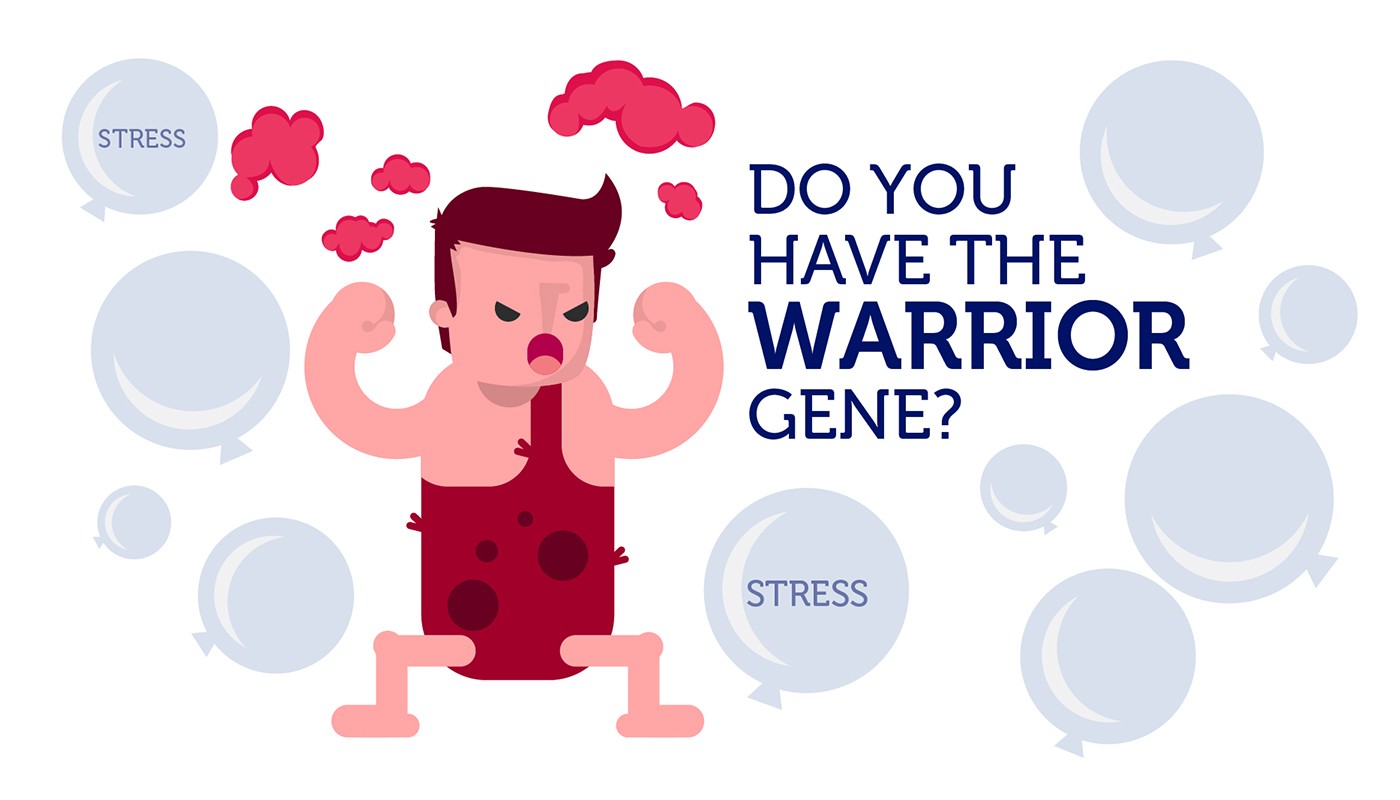
Brunner (1993) – The warrior gene
Brunner et al. (1993) conducted a case study of a Dutch family in which a number of male members displayed impulsive and violent antisocial behaviour, including aggression, arson and inappropriate sexual behaviour.
Urine samples were collected over a 24-hour period and showed abnormally low levels of MAOA activity.
A mutation on the X chromosome affecting the MAOA gene was identified. Since MAOA is an enzyme that breaks down neurotransmitters such as serotonin and dopamine, reduced activity led to higher levels of these neurotransmitters, which are associated with increased aggression.
Only males were affected because they have a single X chromosome, whereas females have a second X chromosome that can compensate for the mutation.
However, not all males with the mutation showed violent behaviour, and the condition is very rare, limiting the generalisability of the findings.
Beaver et al. (2013) – Genetic Influences on Antisocial Behaviour
Beaver wanted to investigate whether genetic similarity influences antisocial and criminal behaviour. The research used data from a large American sample and included: Dizygotic (DZ) twins (non-identical – ~50%), Dizygotic (DZ) twins (non-identical – ~50%), Full siblings (~50%), and Half siblings (~25%)
Researchers measured antisocial behaviour and delinquency through a questionnaire (self-reporting of delinquency). The research compared how similar individuals were depending on how genetically related they were
The results found that the more genetically similar the individuals, the more similar their antisocial behaviour – MZ twins showed the highest similarity. In addition, Half-siblings → lowest.
Neural Explanations of Offending: How brain areas are linked to criminal behaviour
Prefrontal Cortex
The prefrontal cortex is associated with decision-making, impulse control, and moral reasoning. Individuals with a dysfunction to this part of the brain have less self-control (impulsivity), and poor judgement. This is thought to lead to aggression and anti-social behaviour. Aggression can be linked to many crimes including Grievous Bodily Harm and murder. Anti-social behaviour involve actions that harm others or break social rules. This could link to a plethora of crimes including: Assault, theft, arson, drug dealing.
Key study: Raine used PET scans to investigate the differences in neural activity in the brains of 41 ‘murderers’ (who were judged as Not Guilty for Reasons of Insanity (NGRI) this is due to having mental health disorders which ranged from Schizophrenia to brain damage or disease) with 41 controls non-murders.
Results: Murderers had reduced activity in the Prefrontal cortex compared to controls. These areas are involved in emotion and aggression, so reduced activity may lead to poor emotional regulation and increased aggressive behaviour. This is a correlational finding.
Understanding the strengths and weaknesses of PET scans can help you to use this as an evaluation point in your essays. Have a look at these using this link https://mrsharrispsychology.school.blog/ways-of-measuring-the-brain/
Amygdala
The Amygdala is thought to be involved in emotion processing (esp. fear and aggression). Dysfunction to this area has been linked to aggression reduced fear response, increased aggression and a lack of empathy.
Key study: Pardini et al. (2014) – Longitudinal support (VERY STRONG evidence). Carried out Structural MRI brain scans (which measures brain volume and size, not neural activity) of men in their 20s. The research followed them over 3–4 years. Results: Men with smaller amygdala volumes → were more likely to commit violent crimes later. Conclusion: Amygdala dysfunction may be a predictor of future violence.
This research shows cause/prediction. Brain scans were taken before any future crimes occurred (during the study period). Then participants were followed over time to see who went on to commit violent offences. This allows Pardini to test prediction of crime, not just past behaviour.
Neurotransmitters (Neural Biochemical Explanation)
Serotonin – Regulates mood and impulse control. Low levels of serotonin are thought to increase aggression and impulsivity.
Research supports the role of serotonin in impulse control. For example, da Cunha‑Bang and Knudsen (2021) reviewed neuroimaging studies and concluded that low serotonin levels are associated with impulsive aggression.
Peeters et al. (2020) Peeters et al. (2020) investigated the role of serotonin in aggression by examining genetic variation in the serotonin transporter gene (5‑HTTLPR). They found that individuals with the short allele (less efficient), linked to lower serotonin functioning, showed higher levels of reactive aggression, particularly when responding to threat.
Evaluation:
- Scientific/Objective: Research into this area tends to use scientific objective measures such as brain scans, blood and urine tests. These tests reduce the effects of bias and human error. This could arguably increase the validity of the data, and therefore the support for the theory is stronger and more credible. Research into biological explanations often uses objective scientific methods such as brain scans and biological measures (e.g. blood and urine tests). This reduces researcher bias and increases the reliability and credibility of the findings, providing strong support for biological explanations.
- Lack of Freewill: Genetic explanations challenge the idea of free will by suggesting that criminal behaviour is influenced by biological factors outside of an individual’s control. This contrasts with the legal system, which assumes individuals freely choose to commit crimes and should be held responsible.
- Reductionist: Biological explanations are reductionist because they reduce complex criminal behaviour to simple biological factors such as genes or brain activity, ignoring the role of social, environmental and psychological influences.
- Deterministic:Biological explanations are deterministic as they suggest behaviour is caused by internal biological factors, which may imply that individuals have little control over their actions. This could be seen as overly simplistic and may reduce personal responsibility.
- Nature/Nurture: Biological explanations focus on nature and neglect environmental influences. However, research suggests that criminal behaviour is better explained by an interaction between genes and environment, such as the diathesis-stress model, meaning biological explanations are incomplete on their own. A further limitation of biological research is the presence of confounding variables, such as drug use or environmental factors, which may influence both brain function and criminal behaviour, making it difficult to isolate biological causes.
- Applications: A strength of biological explanations is that they have real-world applications, such as the use of drug therapies to regulate neurotransmitter levels and reduce aggressive behaviour, potentially helping to prevent offending. Drug treatments (e.g. SSRIs increasing serotonin).
- It is unclear whether biological differences cause criminal behaviour or are a result of it. For example, engaging in violent or risky behaviour may alter brain functioning, meaning the direction of causation cannot be determined.
- Biological explanations may be gender-biased, as much of the research has been conducted on male offenders, meaning the findings may not fully explain criminal behaviour in females.
 CGS Psychology Blog: Mrs Harris